
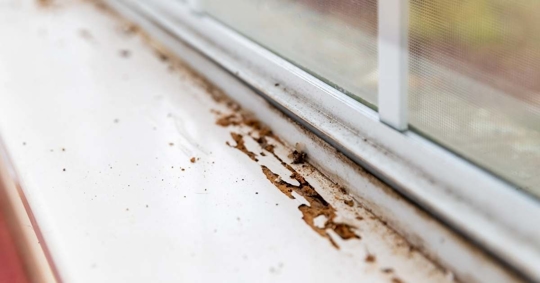
Termites cause billions of dollars in property damage across the United States each year, and Florida's warm, humid climate makes it one of the most active termite regions in the country. If you own a home in Alachua County or North Central Florida, learning to spot the warning signs of termite activity can save you thousands of dollars in repair costs. The sooner you identify a potential problem, the faster you can take steps to protect your investment.
Don't wait until termites compromise your home's structural integrity. If you notice any signs of termite activity, contact us online or call (386) 284-4642 today for a professional inspection.
Why Termites Thrive in Florida
Florida's climate creates ideal conditions for termite colonies to flourish year-round. Unlike northern states where termite activity slows during winter months, Florida homeowners face termite threats throughout all four seasons. High humidity levels, frequent rainfall, and consistently warm temperatures allow termites to remain active and reproduce rapidly. Understanding why termites prefer our region helps explain why vigilance is crucial for property owners in Alachua County and surrounding areas.
Mud Tubes on Walls and Foundations
One of the most recognizable signs of termite presence is the appearance of mud tubes. These narrow tunnels, typically about the width of a pencil, run along foundation walls, wooden beams, or other surfaces connecting the ground to wood sources. Subterranean termites build these tubes from soil, wood particles, and saliva to protect themselves from the open air as they travel between their underground colonies and food sources.
You might find mud tubes in several locations:
- Along exterior foundation walls, especially near cracks or joints
- In crawl spaces underneath your home
- On interior walls in basements or near plumbing penetrations
- Climbing up brick, concrete, or stucco surfaces
If you discover mud tubes on your property, don't remove them immediately. A professional inspector can examine them to determine if the colony is still active. Breaking open a small section can reveal whether termites are currently using the tunnel, but it's best to have an expert evaluate the situation before taking action.
Hollow-Sounding Wood
Termites consume wood from the inside out, leaving only a thin veneer of surface material intact. This feeding pattern means that structural damage can be extensive before becoming visible on the outside. Tap on wooden surfaces throughout your home, including baseboards, door frames, window sills, and support beams. Solid wood produces a firm, consistent sound, while termite-damaged wood sounds hollow or papery.
Pay special attention to areas where wood contacts soil or concrete, as these are entry points termites frequently exploit. You might also notice that wood feels softer when pressed or gives way more easily than expected. In advanced cases, you may see visible tunnels or galleries within the wood itself when damage breaks through the surface.
Discarded Wings Near Windows and Doors
During swarming season, winged termites called alates leave their colonies to establish new ones. After finding a suitable location, these reproductive termites shed their wings, which are no longer needed. Finding small piles of discarded wings on windowsills, near doorways, or around light fixtures indicates that a swarm occurred recently, and a new colony may be forming nearby.
Termite swarms in Florida typically occur during warm, humid conditions, often following rainfall. The swarmers are attracted to light, which is why you'll often find evidence of their presence near windows and exterior doors. Unlike flying ants, termite swarmers have straight antennae, equal-length wings, and thick, straight bodies without a pinched waist.
Damage to Wooden Structures
As termite colonies grow, their appetite for wood increases, and damage becomes more apparent. Look for these indicators throughout your home:
- Blistering or darkening of wood surfaces
- Sagging floors or ceilings
- Doors and windows that stick or won't close properly
- Loose tiles caused by moisture from termite activity
- Crumbling wood that breaks apart easily
- Visible mazes or patterns on walls, furniture, or floors
These signs often develop gradually, making them easy to overlook or attribute to normal aging. However, what appears to be minor wear may actually indicate significant termite damage requiring immediate attention. Regular inspections help catch these problems before they escalate.
Frass: Termite Droppings
Drywood termites, which infest wooden structures without needing soil contact, create small, hexagonal pellets as they tunnel through wood. These droppings, called frass, resemble sawdust or coffee grounds and accumulate in small piles beneath infested wood. You might find frass on floors, windowsills, or furniture directly below the area where termites are feeding.
The color of frass varies depending on the type of wood being consumed, ranging from light tan to dark brown. Unlike sawdust from carpenter ants or other wood-boring insects, termite frass has a distinctive granular texture and uniform pellet shape. Finding frass is a clear indication of active drywood termite presence.
Bubbling or Peeling Paint
Paint that bubbles, peels, or appears water-damaged when there's no moisture problem could signal termite activity beneath the surface. As termites tunnel through wood, they create galleries that trap moisture and create an uneven surface. This disruption causes paint to lose adhesion and develop an appearance similar to water damage.
Check painted wood surfaces throughout your home, especially around windows, doors, and baseboards. If paint damage appears without an obvious water source, it's worth investigating further. Don't assume that fresh paint will solve the problem—addressing the underlying termite issue is essential.
Clicking Sounds Within Walls
While not as common as visual signs, some homeowners report hearing faint clicking or rustling sounds coming from within walls. These noises come from soldier termites, which bang their heads against wood or shake their bodies to signal danger to the colony. You're most likely to hear these sounds in quiet environments, particularly at night.
While hearing termites isn't a reliable detection method on its own, if you notice this symptom along with other warning signs, it strengthens the case for a professional inspection.
Small Holes in Drywall
Tiny, pinpoint holes in drywall or wood surfaces can indicate termite exit points. These holes, often accompanied by small amounts of debris, indicate locations where termites have breached the surface. While individual holes may seem insignificant, they often indicate more extensive activity behind the wall.
What to Do If You Spot These Signs
Finding evidence of termite activity doesn't mean you need to panic, but it does mean you should act quickly. Time is your enemy when dealing with termites, as colonies can cause increasing damage the longer they remain untreated. Document what you've found with photos, note the locations, and avoid disturbing the areas more than necessary before a professional pest control inspection occurs.
Don't attempt to treat termite infestations yourself with store-bought products. These solutions rarely eliminate entire colonies and may simply drive termites to other areas of your home, making them harder to detect. Professional treatment provides comprehensive solutions that address both visible damage and hidden colonies.
Prevention Tips for Florida Homeowners
While recognizing signs of termite activity is important, taking preventive measures can reduce your risk of infestation. Fix leaky faucets, pipes, and air conditioning units promptly, as excess moisture attracts termites. Keep gutters clean and ensure downspouts direct water away from your foundation. Store firewood, lumber, and wood debris away from your home's exterior, and maintain a gap between soil and any wood portions of your structure.
Remove dead trees, stumps, and roots from your yard, as these provide food sources for termite colonies. Seal cracks in your foundation and around utility lines to eliminate potential entry points. Regular professional inspections help catch problems early, before they become major issues.
Protect Your Florida Home from Termite Damage
Recognizing the signs of termite activity is the first step in protecting your home from costly damage. If you've noticed any of these warning signs around your Alachua County or North Central Florida property, don't delay taking action. Alachua Pest Services offers thorough termite inspections and treatment options designed to protect your home.
Reach out through our online contact form or call (386) 284-4642 to schedule your inspection today.